
Introducing Samba
A place to explore post-industrial models for school, creative tools, and tools for thought

What’s this?
We’re introducing Samba, a place to explore post-industrial models for school, creative tools, and 'tools for thought.'
Why now?
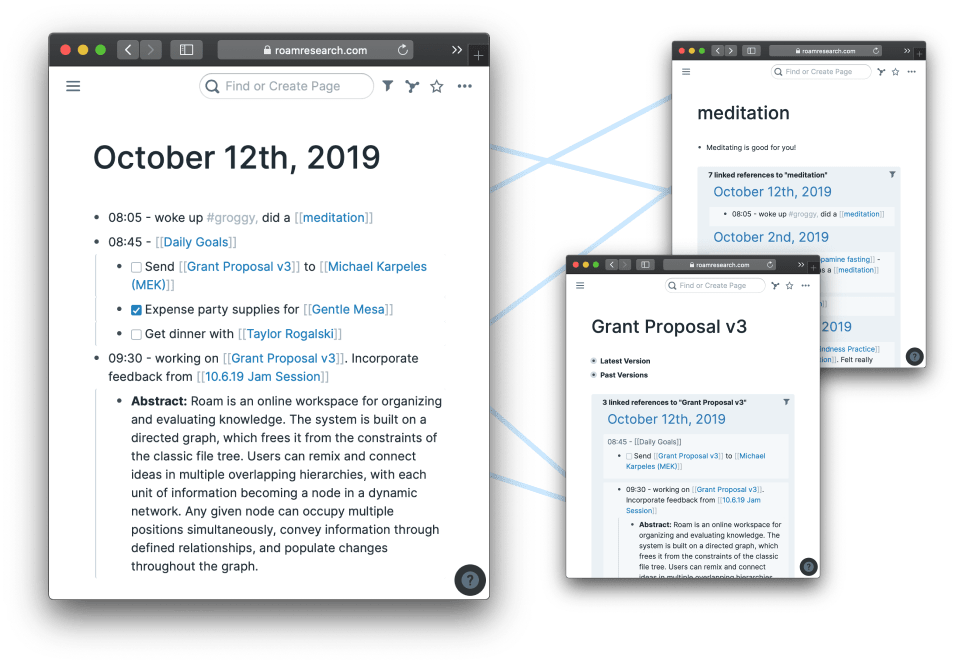
We’re amidst a revolution in digital tools to think and make with: examples include 'tools for thought’ (Muse, Roam) and 'creative tools' (Scratch, Figma).
We’re also at the cusp of a revolution in our education systems as alternative K12 models (Reggio, Montessori, etc.) and adult learning initiatives (Recurse, bootcamps) gain momentum.
This newsletter explores these revolutions. It’s a place to reflect on tensions, questions, and possibilities. To interrogate trends. Grapple with competing perspectives. And change our minds.
Why Samba?
At the end of Mindstorms, Seymour Papert imagines what learning might look like outside of the paradigm of industrial school.
In order to think seriously about the future, we can't simply think negatively (e.g. against industrial school or traditional tools); we need to develop models and frameworks for thinking about the future.
For inspiration, Seymour looked to existing communities. Chief among them were Brazil's samba schools.
Samba schools are communities where experts and novices come together to prepare spectacular productions of song, dance, and theater. They involve intense displays of art, craft, and technical expertise that take hundreds of hours to prepare.
In the months leading up to a procession, novices and experts work closely together, with everyone learning and teaching. Playful exploration and hard work come together as participants move from structured learning (someone leading focused practice on a skill) to more informal ways of working. All of this is grounded in a strong sense of social cohesion, built on shared purpose and values.
Samba schools are mixed age, mixed expertise, and diverse in styles for making and creating. They are places where learning happens through authentic work, as part of a vibrant community, and connected to rich cultural traditions.
Seymour drew inspiration from the samba schools to design better contexts for thinking and making. His groundbreaking work at MIT imagined how math might be learned in contexts that resemble a samba school. In pursuit of this vision, he developed tools (Logo), activities, and social contexts.
Seymour spanned fields ranging from psychology and epistemology to artificial intelligence and computing — in turn inspiring the likes of Alan Kay, Mitch Resnick, Bret Victor, and many others.
This newsletter cultivates ‘the seeds that Seymour sowed’ — exploring how the spirit and principles behind initiatives like samba schools might help us design better tools and communities to think and make with.
Who writes this?
Yusuf and Savannah. We started off as internet friends when Savannah led product for a coding bootcamp in Kenya and Yusuf led degree products for a pan-African higher ed startup. We’ve contributed to things like Hack Reactor (one of the first coding bootcamps), Scratch (a programming language and online community), and projects that cut across design, tech, and learning at places like IDEO and MIT.
Join us!
We decided to start this newsletter to externalize our thinking and create a new way to learn with and from others. Join us as we embark on this new adventure :)
Stumbled upon your blog. Posts from 2021. You were way ahead of your time!!